
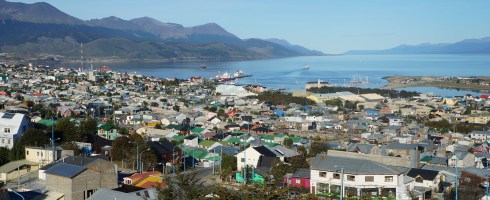
The Andes mountain range is one of the world’s most wondrous spectacles. It is the longest continental mountain range in the world stretching the entire west coast of South America for 4,500 miles or 7,242 kilometres and spanning seven countries – Argentina, Chile, Bolivia, Peru, Ecuador, Colombia and Venezuela. The range has the highest mountains on the planet, outside of the Himalayas, the tallest of which is Aconcagua in Argentina (6,962m), plus over 50 volcanos reaching 6,000 metres, including the world’s highest, Ojos del Salado (6,893m). Filled with glaciers, lakes, ski fields, the ruins of lost civilisations, thriving cities and indigenous communities amongst other things, these mountains truly are a special place. Our small claim to fame in all of this was travelling the whole length of this incredible range in just over 8 months – from the city of Ushuaia at the ‘world’s end’ in the south of Patagonia, to the city of Merida in the north of hot blooded Venezuela. Continue reading
Venezuela – falling off the tourist radar
21 Jun
Venezuela, or officially “The Bolivarian Republic of Venezuela”, is one of the most beautiful and diverse countries on the planet but it remains hugely under-visited by international travellers. It is incredibly diverse with habitats ranging from glistening Caribbean coast to Amazon jungle, and snow-covered Andes mountains to dry desert-like plains. The sheer variety of activities would wear out even the most enthusiastic outdoorsy types and vibrant festivals and pumping samba clubs will keep the party owls up all night.
So why is it so far off the tourist radar?
Cartagena – A hot and steamy love affair
24 Apr
Cartagena de Indias is the jewel of Colombia’s Caribbean coast. The sophisticated lady of the north. A destination overflowing with romantic notions and rich history. Larger than life stories of colonisation, slavery, piracy and rebellion ooze down the streets and wash around the city walls. The colonial city is so beautiful and well preserved you begin to wonder if you’ve stepped onto the set of a movie. Freshly painted mansions with wooden balconies drip with Bougainvillea. Mosaics of neatly laid cobble-stones lead to plazas filled with shady palm trees where church bells ring out in chorus. Rosy cheeked lovers wander in flip-flops to dine alfresco in the evening breeze and clip-clop past in horse drawn carriages. To add to a permanent feeling of well being around the city, year round blue skies and rich Caribbean waters make it feel like someone has flicked a switch and turned everything into high-definition. The word is out that this is fast developing into Latin America’s most seductive destination.
Urban revival – Bogota & Medellin
16 Mar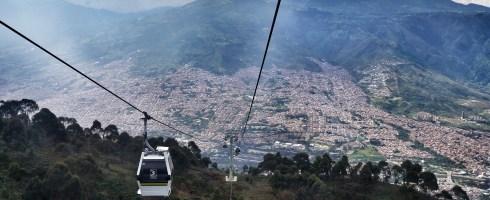
Mentioning that you plan to spend some time in the big Colombian cities of Bogota and Medellin usually causes a sharp intake of breath from all of those who have heard about their infamous reputations. For years, drug cartels, civil war and violent crime grabbed the headlines and now linger in the memory banks. But times are changing. Whilst we weren’t looking, these cities were evolving economically, socially and culturally. Much needed investment was being rapidly pumped into these hubs and the proud population was determined to make a difference. Today, Bogota and Medellin remain distinctly different in character – Bogota the historical and cultural heartbeat of Colombia, whilst Medellin is a modern hub of industry and commerce. One thing they do have in common is these über-cool metropolises are now on the up and crying out for exploration.
But which one is most worthy of your attention?
The first taste of Colombia
19 Feb
For many years Colombia has found itself in the news for all the wrong reasons. It has been defined by civil war, high levels of crime, class ‘A’ drugs, gun-brandishing guerrillas and kidnappings. Governments all over the world advised against any kind of travel to the country and even the most daring of backpackers chose not to risk crossing the border from other South American countries where tourism was booming. During the last 10 years however, changes on a big scale have been sweeping across the country and Colombia has opened its doors to international tourism. Every person we met on our Latin America trip who had spent some time in Colombia raved about it and many described it as their favourite country in the whole Continent. We were very excited to discover Colombia’s riches for ourselves but we couldn’t shake a feeling of trepidation as we crossed into a world which had been hidden from the public view for so long.
Quito – a city for everyone
5 Feb
We tapped our toes as we listened to the blind accordion player who stood under an arched alcove belonging to a brightly painted colonial mansion. We dug around in our pockets for some money and the coins which made a clinking sound at the bottom of his collection pot made first him, and then us, smile. We turned on the cobbles and wandered through Quito’s UNESCO World Heritage listed ‘old town’. It was a maze of restored colonial buildings, grand churches and fully functioning monasteries and convents. We passed some of the country’s best museums and grand squares where indigenous women carrying large bundles rested their weary bones on benches. Mouth-watering smells wafted from doorways of family run cafes where cauldrons of soup bubbled and cooks carved chunks of succulent meat from whole roasted pigs. Market stall vendors shouted in our ears as we passed and we declined repeated offers to sell us everything and anything. We felt like we’d stepped back in time with frenetic city life continuing uninterrupted as it had done for hundreds of years. The city belonged to no one and everyone – the tourists, the beggars, the nuns, the indigenous locals, the flea ridden dogs, the drivers of the smoke belching buses, the dirty street kids and the chefs preparing Ecuador’s finest cuisine – all existing side-by-side to make Quito one of Latin America’s most captivating capitals.
Colonial Cuenca & Cajas National Park
10 Jan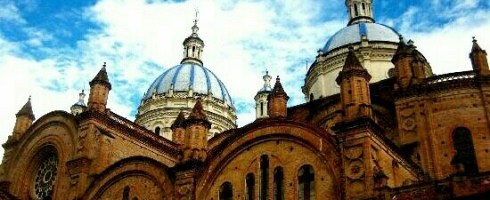
Whilst travelling we’ve come to appreciate the saying ‘Variety is the spice of life’. We want to experience as many different things as possible whilst being away but we’ve found it’s also necessary to mix up the order we do things so there is a greater contrast between places or activities and a positive feeling when you arrive somewhere new. If you simply spend two months at the beach, the sea, sun and sand can start to lose its appeal but by spending a week at the beach, followed by some time in the mountains and a few days in the city, you then start craving the beach again, making it all the more special when you return there. So, after an incredible ten days in the Galapagos surrounded by beautiful nature and exotic wildlife, we were looking forward to city life and charming colonial Cuenca was to be the spot.
Iquitos – a steamy jungle metropolis
27 Dec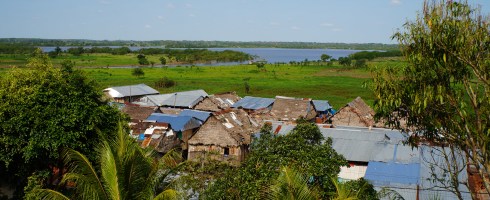
Iquitos is the largest city in the world which isn’t linked to the rest of its country by road and it’s best described as a sensual, steamy jungle metropolis with attitude. Despite its attractive promenade with wonderful river views, its historic buildings and leafy plaza with quaint eateries and coffee shops, Iquitos retains a working class identity with a somewhat edgy feel. We got the sense here that anything goes if you know the right guys and that the law of the jungle is very much alive and well.
Welcome

Featured posts
-

Torres del Paine – the ‘W’ trek
Visitors from all walks of life converge on the small hamlet of Puerto Natales to visit Chile’s and perhaps the Continent’s number one national park – Torres del Paine. Located in the Southern Patagonian ice fields at the end of the Andes, the park offers diverse wildlife and incredible mountain scenery, glaciers, lakes, rivers and […]
 latin chattin'