

Five days – drifting 250 kilometres down river – from Guanay to Rurrenabaque – on a home-made raft – with no engine…I must have got that all wrong. Was there a way such a trip could really be possible? The voice on the other end of the phone took a deep breath and repeated what they’d already explained. The ‘No noise’ jungle rafting experience through Bolivia’s chunk of Amazonas was created for people looking for unparalleled adventure. Six people, a guide and a cook, along with rucksacks, food supplies and camping equipment, would pile on top of a raft no bigger than 5 metres long and 2.5 metres wide and float to their destination using only the natural flow and currents of the river. There would be jungle walks to spot exotic animals and indigenous tribes were never far from the river banks. Home each evening would be under canvas in a rustic camp and to wash ourselves there would always be a crystal clear river or a gushing waterfall nearby. Rendered speechless as my head span with all of this information – all I could muster were the immortal words – “Sign us up!”
Dicing with death on the World’s Most Dangerous Road
25 Sep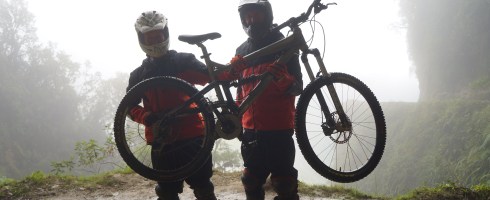
The Most Dangerous Road in the World stretches 61 kilometres from La Paz to Coroico and descends over 3,000 metres from spell-binding Andean mountains drenched in snow, to lush sub-tropical hills covered in rich forests and dotted with waterfalls. This stretch of unpaved dirt track earned its name by taking the most lives (annually around one hundred) of any road in the world. A newly opened bypass has significantly reduced the flow of traffic on the Death Road and the number of fatalities has been drastically reduced but the fearsome reputation of the road remains as strong as ever. In places the road is little more than three metres wide with sheer drops one side plunging up to six hundred metres below and vertical walls of rock on the other.
Buzzing Bariloche
11 Jun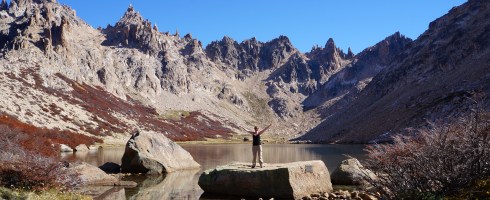
San Carlos de Bariloche is a resort that buzzes all year round with world class skiing during the Winter and a whole host of lakeside and hiking opportunities during the warm Summer months. The town has a distinct alpine feel to it with wooden chalets, chocolate and ice-cream shops and even Saint Bernard dogs patrolling the plaza looking for tourists to have their picture taken with.
Torres del Paine – the ‘W’ trek
10 May
Visitors from all walks of life converge on the small hamlet of Puerto Natales to visit Chile’s and perhaps the Continent’s number one national park – Torres del Paine. Located in the Southern Patagonian ice fields at the end of the Andes, the park offers diverse wildlife and incredible mountain scenery, glaciers, lakes, rivers and magellanic forest. The park which, has been declared a UNESCO Biosphere Reserve, is over 180,000 hectares in size and is considered to be one of the best trekking Mecca’s in the world.
Dientes de Navarino
19 Apr
We crossed the Beagle Channel on a zodiac boat from Ushuaia, at the very Southern tip of Argentina, to Puerto Navarino, in Chile. After clearing immigration in a waterside hut, which also sold coffee and cake (if only all government interactions could be so smooth), we travelled on by bus down a gravel track to Puerto Williams, a small settlement, naval base and point of entry for sailing ships bound for the fearsome Cape Horn and onto Antarctica.
Welcome

Featured posts
-

Torres del Paine – the ‘W’ trek
Visitors from all walks of life converge on the small hamlet of Puerto Natales to visit Chile’s and perhaps the Continent’s number one national park – Torres del Paine. Located in the Southern Patagonian ice fields at the end of the Andes, the park offers diverse wildlife and incredible mountain scenery, glaciers, lakes, rivers and […]
 latin chattin'