

Machu Picchu is considered to be one of the new 10 Wonders of the World and the legendary Inca Trail, a 4 day and 3 night trek following the old Inca road, is the most popular way to reach the site, taking in several smaller archeological sites along the way and reaching Machu Picchu for sunrise on day 4. Over the last 10 years or so the Inca Trail seems to have become a victim of its own success. Several years ago it became necessary to limit the number of trekkers using the trail as the sheer volume of traffic meant that the ruins were being damaged, litter was becoming a problem and sanitary conditions were appalling. The quota is now 500 people per day, which, along with trekkers, includes guides, porters and cooks. The measures taken were required to preserve Machu Picchu, but the outcome has been devastating for the humble backpacker with prices for the trek going through the roof and the waiting list to join the trek extending to 5 or 6 months in some cases. With all of this considered, we decided to try one of the many alternative treks, which offer equally as stunning scenery and the chance to visit small villages before ending up at Machu Picchu on the ultimate day. The alternative trek we chose was the Salkantay trek which traverses snow-capped mountain ranges, passes turquoise lagoons and hot springs, and descends into lush jungle before spending one night at a small town called Aguas Calientes and rising early the following morning for sunrise at Machu Picchu.
Inner tubes, bamboo and string – river travel the Bolivian way!
4 Oct
Five days – drifting 250 kilometres down river – from Guanay to Rurrenabaque – on a home-made raft – with no engine…I must have got that all wrong. Was there a way such a trip could really be possible? The voice on the other end of the phone took a deep breath and repeated what they’d already explained. The ‘No noise’ jungle rafting experience through Bolivia’s chunk of Amazonas was created for people looking for unparalleled adventure. Six people, a guide and a cook, along with rucksacks, food supplies and camping equipment, would pile on top of a raft no bigger than 5 metres long and 2.5 metres wide and float to their destination using only the natural flow and currents of the river. There would be jungle walks to spot exotic animals and indigenous tribes were never far from the river banks. Home each evening would be under canvas in a rustic camp and to wash ourselves there would always be a crystal clear river or a gushing waterfall nearby. Rendered speechless as my head span with all of this information – all I could muster were the immortal words – “Sign us up!”
Dicing with death on the World’s Most Dangerous Road
25 Sep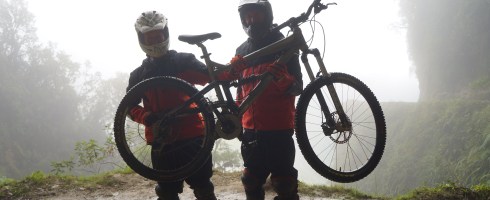
The Most Dangerous Road in the World stretches 61 kilometres from La Paz to Coroico and descends over 3,000 metres from spell-binding Andean mountains drenched in snow, to lush sub-tropical hills covered in rich forests and dotted with waterfalls. This stretch of unpaved dirt track earned its name by taking the most lives (annually around one hundred) of any road in the world. A newly opened bypass has significantly reduced the flow of traffic on the Death Road and the number of fatalities has been drastically reduced but the fearsome reputation of the road remains as strong as ever. In places the road is little more than three metres wide with sheer drops one side plunging up to six hundred metres below and vertical walls of rock on the other.
Sucre – The White City
23 Aug
We decided to rest our weary traveller’s bones and spend a week in the wonderful Bolivian city of Sucre taking some Spanish lessons. Frequently described as Bolivia’s most beautiful city, Sucre couldn’t have been a nicer place to relax and unwind and after just a few days we really found ourselves falling under its spell.
‘The mountain that eats men’ – Potosi
16 Aug
Potosi, the world’s highest city (4,068 metres) holds a terrible secret…it’s citizens have made a pact with the devil and they are literally working themselves to death. Fathers, husbands and sons work in the Potosi mines endlessly enduring dangerous, appalling, medieval-like conditions all for a few precious metals they may be able to extract and sell for a small profit. Continue reading
Ride ’em cowboy – Tupiza
13 Aug
The president waved and gave us a generous smile – two white faces in the front row, waving madly with excitement in a sea of Bolivians – we certainly stood out from the crowd! It was our fifth day in Bolivia and we’d arrived in a small town called Tupiza to find a beautifully decorated plaza, locals dressed in their Sunday best and an infectious hubbub on every street. It was so nice of them to give us such a warm welcome!
Man’s best friend
1 Jul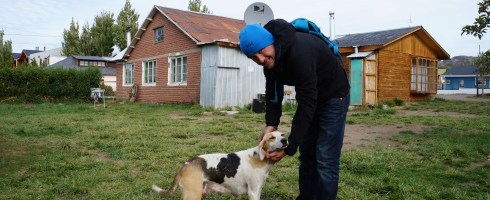
It’s estimated that there are 2.5 million stray or ‘street’ dogs living in Chile at the moment, with half of those in Santiago alone. Many of these animals are unwanted pets and their offspring who have lived their whole life as strays and others are considered to be pets but are allowed to roam the streets and return home when they feel like it.
Valparaiso – the bohemian little sister
27 Jun
” Valparaiso how crazy you are, how mad, crazy port, what a head of hills, unkempt, you never arrive to brush your hair, you never have time to be dressed, always life caught you by surprise, death awoke you in a night shirt.” Pablo Neruda
Welcome

Featured posts
-

Torres del Paine – the ‘W’ trek
Visitors from all walks of life converge on the small hamlet of Puerto Natales to visit Chile’s and perhaps the Continent’s number one national park – Torres del Paine. Located in the Southern Patagonian ice fields at the end of the Andes, the park offers diverse wildlife and incredible mountain scenery, glaciers, lakes, rivers and […]
 latin chattin'